Vitamin A / retinol
A nutritional substrate enters tissue-specific processing pathways.

Our science
Kayothera is pioneering first-in-class antagonists of the retinoid nuclear receptor pathway by targeting the formation of retinoid and rexinoid ligands.
Why this pathway matters
Kayothera is pioneering the development of safe, oral, first-in-class antagonists of the retinoid nuclear receptor pathway.
Activation of the retinoid pathway causes acute metabolic dysregulation and has a cancer-promoting effect in humans. The existing scientific rationale suggests retinoid nuclear receptor inhibitors may reverse progression across multiple cardiometabolic diseases and aggressive cancers.
Blocking the retinoid pathway has posed challenges to drug development for nearly three decades. Kayothera’s approach is designed to prevent formation of the retinoid nuclear receptor ligand upstream, analogous to how aromatase inhibitors prevent ligand formation in the Estrogen Receptor pathway.
Pathway overview
Retinoid and rexinoid ligands activate RAR and RXR nuclear receptors, connecting upstream vitamin A biology with downstream transcriptional signaling.
Kayothera is focused on the enzymes and tissue-specific biology involved before receptor activation begins.
A nutritional substrate enters tissue-specific processing pathways.
ALDH1a enzymes participate in forming ligands that activate RAR nuclear receptors.
Related upstream biology supports ligands that activate RXR nuclear receptors.
Ligand-dependent RAR signaling influences transcriptional programs.
RXR signaling connects with metabolism, differentiation, and other pathway biology.
Nuclear receptor activation shapes tissue-specific biological responses.
Why inhibition matters
A strategy shift toward controlling ligand formation upstream creates a shared scientific rationale across distinct tissue biology.
Retinoid and rexinoid signaling have long been studied through activation, while pathway inhibition remains an emerging therapeutic strategy.
Kayothera is designing small molecules to target ligand formation before RAR or RXR nuclear receptor activation.
The scientific foundation connects pathway biology with metabolism, cancer biology, and reproductive health.
Scientific mechanism
Follow the pathway from vitamin A input through ligand-dependent transcriptional signaling, then see where Kayothera is designed to intervene.
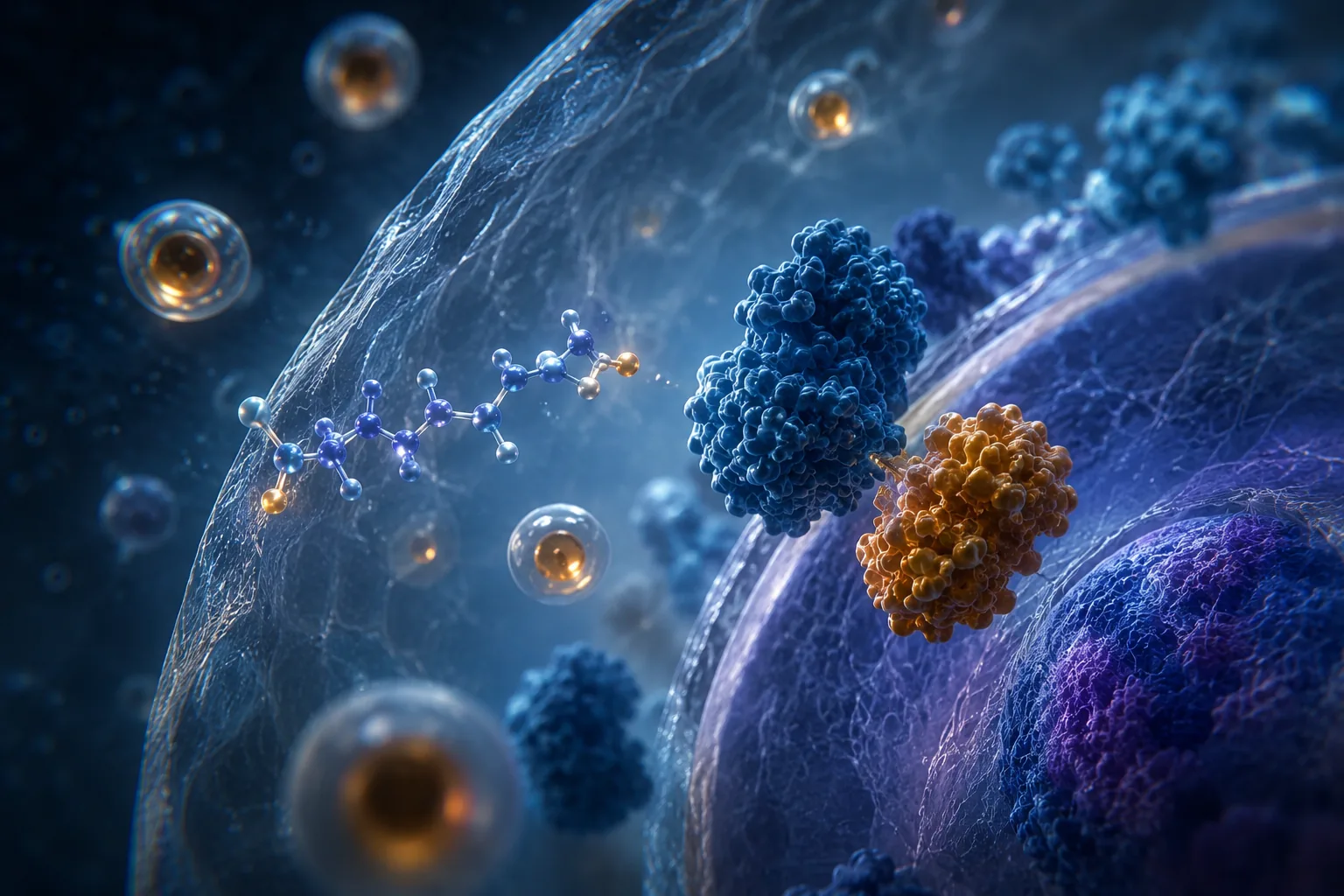
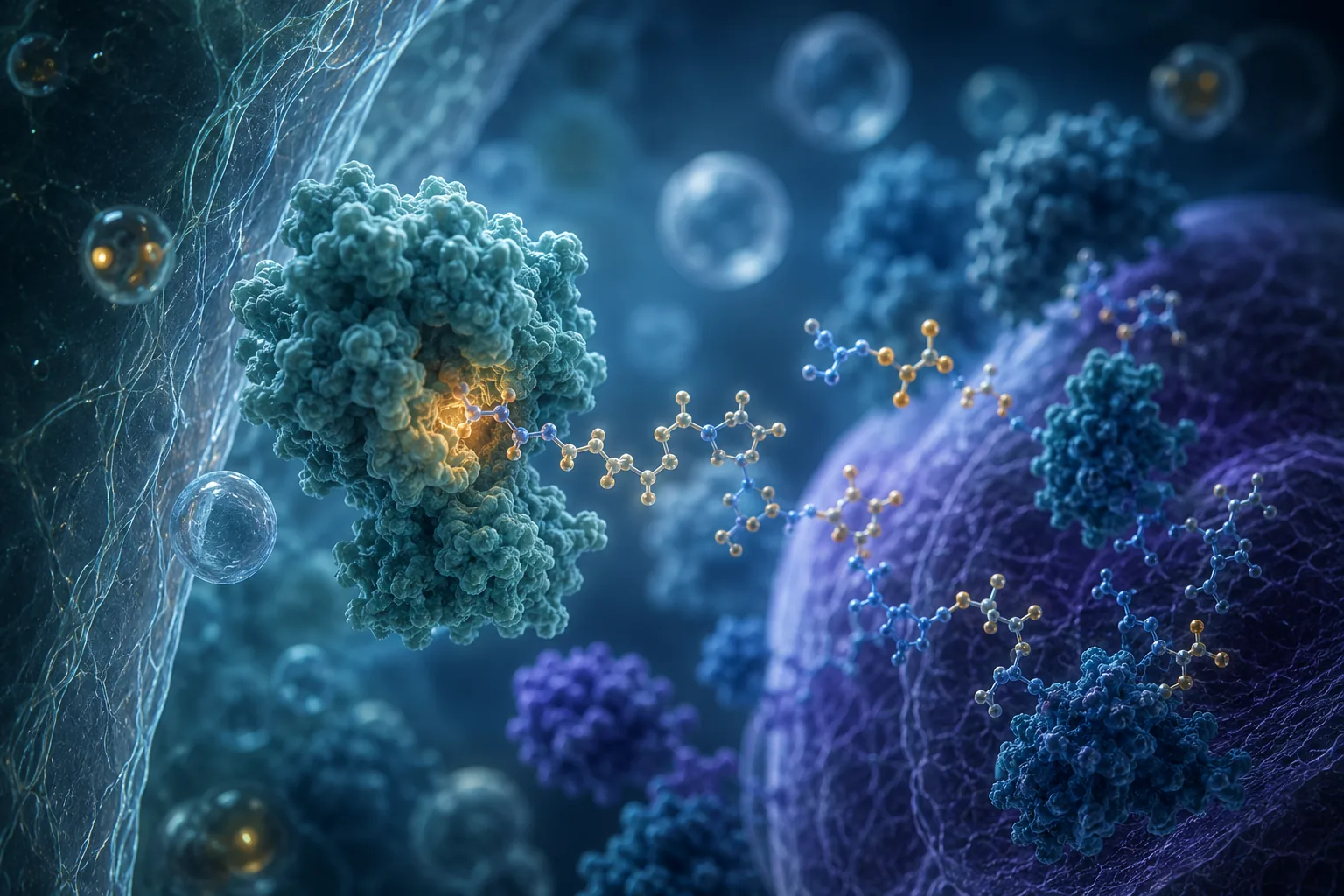
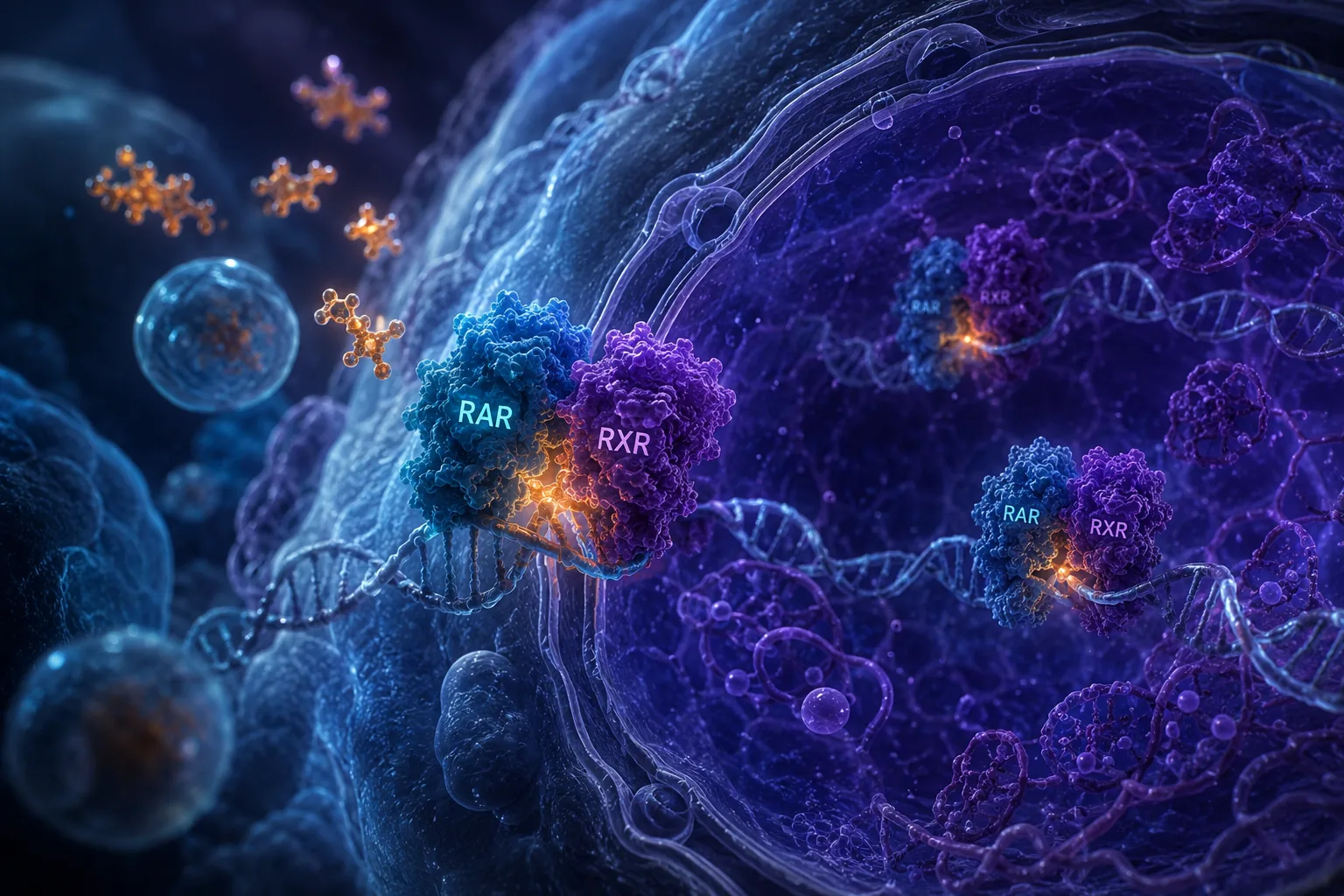
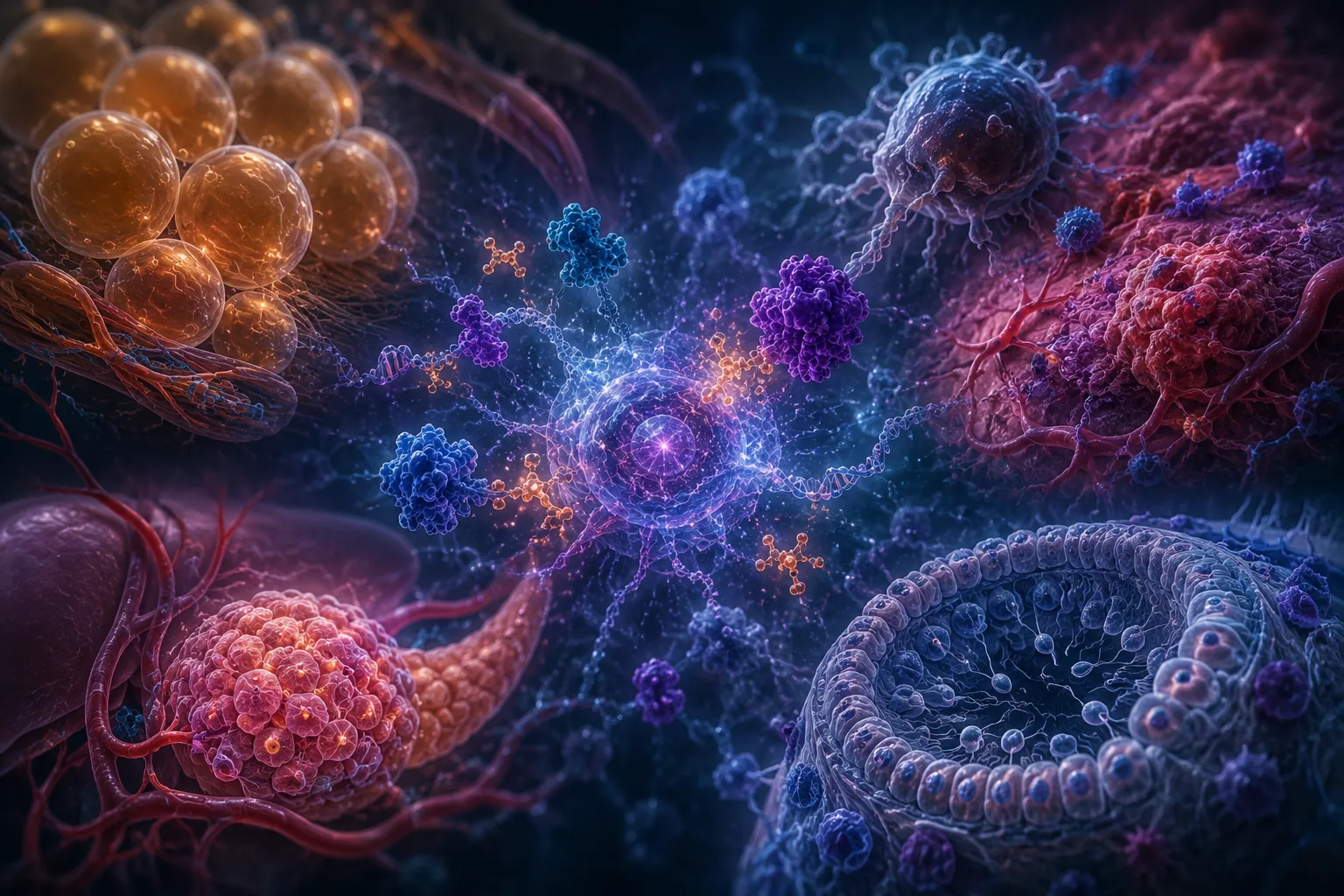
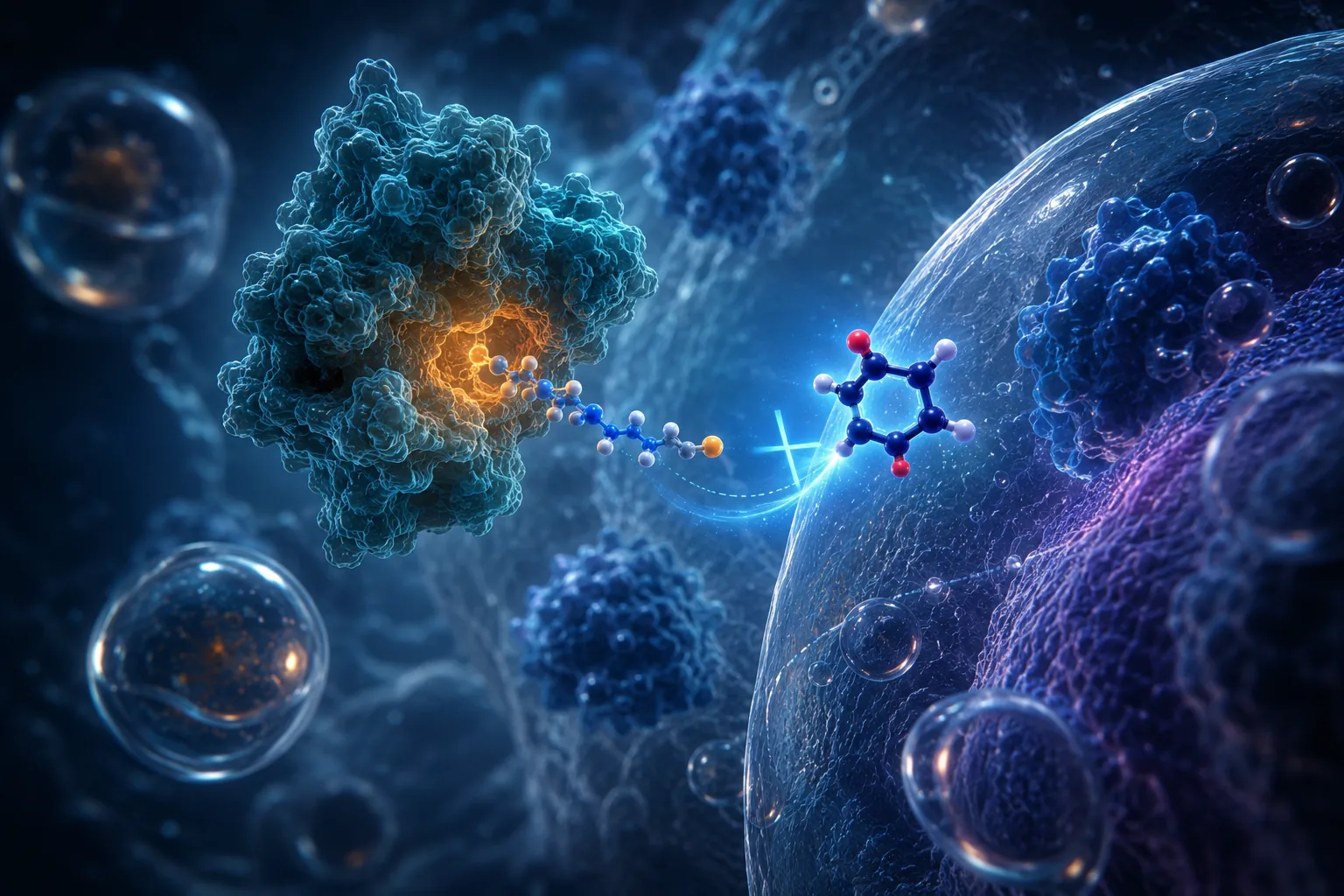
01 / Vitamin A / retinol
Dietary vitamin A is transported and processed across tissue-specific pathways.
02 / Upstream ligand formation
ALDH1a enzymes participate in forming retinoid and rexinoid nuclear receptor ligands.
03 / Nuclear receptor signaling
Retinoic acid and rexinoid ligands activate nuclear receptor signaling and transcription.
04 / Multiple disease areas
Scientific evidence connects retinoid signaling with metabolism, immunity, cancer biology, and reproduction.
05 / Inhibition strategy
Kayothera is developing oral small molecules designed to inhibit ligand formation upstream.
01 / 05
Pipeline at a glance
The stage visualization preserves the relative program progress shown on Kayothera’s original Science page. Stage descriptions are directional and should not be interpreted as new regulatory-status claims.
Relative progress reflects Kayothera’s original Science-page pipeline chart and remains subject to client confirmation, study outcomes, regulatory feedback, funding, and company strategy.
Program science
Each program applies the upstream inhibition strategy to a specific enzyme, tissue context, and development priority.
Pathway focus
KAYO-1732 is designed to inhibit retinoid synthesis in the pancreas, adipose tissue, and vasculature. Existing Kayothera research supports its potential to prevent or reverse type 2 diabetes by restoring pancreatic β-cell function and healthy metabolism.
Being developed as a potential disease-modifying therapy for type 2 diabetes and cardiovascular disease.
ALDH1a3 biology, pancreatic β-cell function, adipose tissue, vasculature, and metabolic dysfunction.
Pathway focus
KAYO-2000 targets a genetically validated obesity driver in the rexinoid pathway, which regulates thyroid and mitochondrial function.
Being developed as a next-generation oral weight-loss therapy designed to increase thyroid function and energy expenditure to support healthy weight loss.
ALDH1a1 and rexinoid signaling, thyroid function, mitochondrial function, adipogenesis, and energy expenditure.
Pathway focus
KAYO-1609 is designed to block ALDH1a2 expressed in testicular Sertoli cells, thereby blocking retinoic acid synthesis.
Retinoic acid synthesis is necessary for spermatogonia differentiation and spermiation, supporting the scientific rationale for male contraceptive development.
ALDH1a2, testicular Sertoli cells, retinoic acid synthesis, spermatogonia differentiation, and spermiation.
Featured scientific proof
Featured peer-reviewed foundation
A major review connecting retinoid nuclear receptor signaling to cancer biology, metabolic dysfunction, diabetes, obesity, and emerging therapeutic inhibition strategies.
Read the publicationScientific references
Selected publications supporting the scientific rationale across retinoid signaling, metabolic biology, and pathway inhibition.
iScience, Volume 28, Issue 11, 113675
Foundational research on targeting ALDH1A3 to develop antagonists of the retinoid nuclear receptor pathway.
Journal of Experimental Medicine
A review connecting retinoid nuclear receptor signaling with cancer biology and metabolic syndromes.
Nature Communications
Research supporting the scientific rationale for ALDH1A3 inhibition in pancreatic β-cell biology.
Nature Cancer
A broader scientific reference on emerging approaches to metastatic disease biology.
Experimental & Molecular Medicine
A review of β-cell dedifferentiation and its relevance to type 2 diabetes treatment strategies.
Scientific inquiries
Explore how the upstream pathway strategy connects with Kayothera’s development programs.